
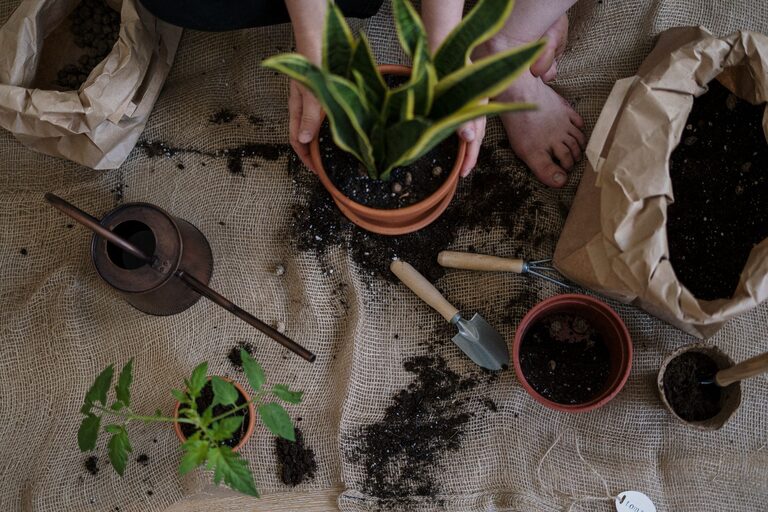
Creating a sustainable home garden that thrives year-round is an enriching way to connect with nature, reduce your environmental impact, and enjoy fresh produce or beautiful plants no matter the season. Whether you are a beginner or looking to improve your existing garden, there are practical steps you can take to maintain a healthy ecosystem and conserve resources effectively.
In this post, we’ll explore simple yet effective tips to help you design and maintain a thriving sustainable garden throughout the year.
Why Choose a Sustainable Home Garden?
A sustainable garden focuses on methods that support the environment while producing minimal waste and reducing resource use. Benefits include:
– Improved soil health through natural practices
– Reduced water consumption with smart irrigation
– Promotion of biodiversity by attracting pollinators and beneficial insects
– Decreased chemical use by embracing organic methods
– Cost savings over time through composting and seed saving
With these advantages in mind, here’s how to create your sustainable garden step-by-step.
Planning Your Year-Round Garden
Understand Your Climate Zone
Knowing your local climate and frost dates will help you select plants suited to your environment and plan planting times. You can find this information from local extension offices or online climate zone maps.
Choose Native and Adapted Plants
Native plants are well-suited to local soil and weather conditions, requiring less water and fertilizer. Including perennials, herbs, and vegetables adapted for your area is a smart way to reduce maintenance.
Create a Diverse Planting Plan
Mixing different types of plants — vegetables, herbs, flowers, and shrubs — creates a balanced system. Diversity deters pests naturally and supports wildlife such as bees and butterflies.
Soil Health: The Foundation of Sustainability
Test and Amend Your Soil
Healthy soil supports vigorous plants. Start by testing your soil’s pH and nutrient levels. Amend the soil with organic matter like compost or well-rotted manure to improve fertility, texture, and moisture retention.
Practice Crop Rotation and Companion Planting
Rotating crops yearly prevents nutrient depletion and reduces pests. Companion planting pairs compatible plants to maximize growth and pest control, such as tomatoes with basil or carrots with onions.
Mulch to Conserve Moisture
Applying organic mulch around plants helps retain soil moisture, suppress weeds, and add nutrients as it decomposes. Use materials like straw, shredded leaves, or wood chips.
Water Wisely
Collect and Use Rainwater
Harvest rainwater with barrels or tanks to water your garden sustainably. This reduces dependency on municipal water and helps during dry spells.
Irrigate Efficiently
Water early in the morning or late in the evening to minimize evaporation. Consider drip irrigation or soaker hoses to deliver water directly to roots, which conserves water and reduces disease.
Pest Control Without Chemicals
Encourage Beneficial Insects
Ladybugs, lacewings, and spiders naturally manage pest populations. Plant flowers like marigolds, dill, and fennel to attract these helpful insects.
Use Physical Barriers and Natural Remedies
Netting, row covers, and handpicking are safe ways to protect plants. Homemade sprays made from garlic, neem oil, or soap can deter pests without harmful chemicals.
Extending the Growing Season
Use Cold Frames and Greenhouses
These simple structures protect plants from frost and extend your growing season into colder months. Cold frames allow sunlight in while keeping warmth inside.
Plant Seasonal Crops in Stages
Succession planting ensures a continuous harvest by staggering seed sowing and planting throughout the year. This keeps your garden productive and reduces waste.
Incorporate Perennial Vegetables
Plants like asparagus, rhubarb, and artichokes come back year after year, reducing the need for annual replanting and effort.
Composting and Waste Reduction
Start Composting Kitchen and Garden Waste
Composting turns vegetable scraps, leaves, and grass clippings into rich soil amendment, closing the nutrient loop and reducing landfill waste.
Practice Seed Saving
Save seeds from open-pollinated plants to sow next season. This preserves variety and saves money while encouraging gardening independence.
Maintain and Enjoy Your Garden
Regular Observation and Care
Checking plants regularly helps catch problems early and keeps your garden healthy. Remove diseased leaves, water as needed, and harvest on time.
Connect with Your Community
Sharing your garden’s bounty and tips can build relationships and spread sustainable gardening practices. Consider participating in local gardening groups or seed swaps.
—
Creating a sustainable garden year-round is rewarding and manageable with planning and care. By embracing natural methods, conserving resources, and nurturing your plants, you contribute positively to the environment while enjoying fresh food and vibrant greenery throughout the seasons. Start small, learn as you go, and watch your sustainable garden flourish!