
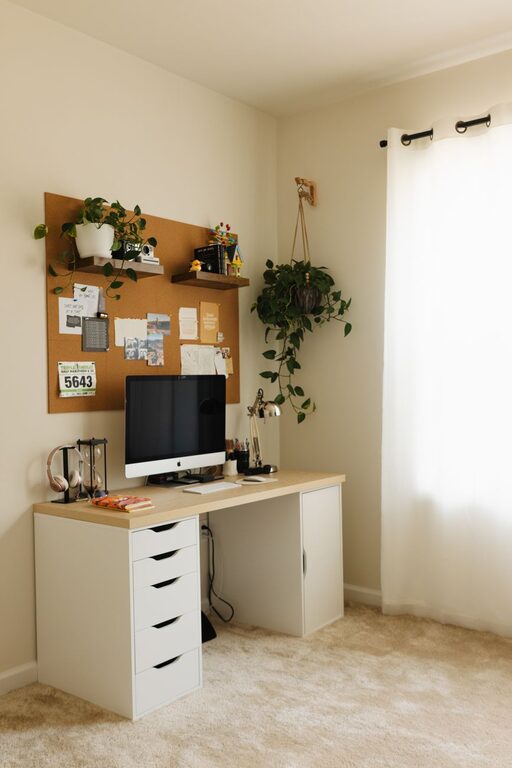
Creating a home office that is both cozy and functional can greatly enhance your productivity and overall work experience. Whether you work from home full-time or need a dedicated space for occasional tasks, designing an environment that promotes focus and comfort is key. In this post, we’ll share practical tips on how to set up a home office that feels inviting and helps you get things done efficiently.
Choosing the Right Location
The first step in creating your home office is selecting the best spot in your house.
– Find a quiet area: Choose a space away from heavy foot traffic or noisy appliances to minimize distractions.
– Utilize natural light: Position your desk near a window to take advantage of natural daylight, which can boost mood and reduce eye strain.
– Consider available space: Even a small corner can be transformed into a functional work area with the right furniture and layout.
Investing in Comfortable and Ergonomic Furniture
Your office furniture directly affects your comfort and work quality.
– Ergonomic chair: Select a chair with adjustable height, good lumbar support, and comfortable padding to prevent back pain during long hours.
– Proper desk: Choose a desk with ample surface space to hold your computer, documents, and other essentials without clutter.
– Adjustable options: Sit-stand desks or desks with adjustable height can provide flexibility and encourage movement throughout the day.
Organizing Your Workspace Efficiently
A well-organized workspace minimizes distractions and maximizes efficiency.
– Use storage solutions: Shelves, filing cabinets, or desk organizers can keep supplies, paperwork, and gadgets tidy.
– Declutter regularly: Keep only necessary items on your desk to maintain focus and a neat appearance.
– Technology management: Use cable organizers and wireless devices to minimize tangled cords and keep your desk clean.
Adding Personal Touches for Coziness
A warm and inviting atmosphere can make your workday more enjoyable.
– Soft textiles: Add cushions or a small throw blanket to your chair for extra comfort and warmth.
– Plants: Incorporate greenery to bring life and fresh air into your workspace, which may help reduce stress.
– Artwork and decorations: Decorate with pieces that inspire you or reflect your personality, but avoid overcrowding the space.
Lighting for Comfort and Function
Proper lighting helps reduce eye strain and sets the mood.
– Layer your lighting: Use a combination of overhead lights, task lighting (like desk lamps), and natural light to create a balanced environment.
– Avoid glare: Position screens and lights to prevent reflections and glare that can cause discomfort.
– Warm bulbs: Choose light bulbs with a warm color temperature to add to the cozy feel.
Technology and Connectivity
Reliable technology is crucial for a smooth work experience.
– High-speed internet: Ensure your workspace has a strong and stable internet connection for video calls and online work.
– Functional equipment: Use quality headphones, keyboards, and monitors to improve productivity and reduce fatigue.
– Backup plans: Keep chargers, external drives, and other essentials handy to avoid interruptions.
Creating Work-Life Boundaries
Separating your work area from personal spaces helps maintain balance.
– Defined space: Use room dividers or rugs to visually set apart your office from other areas.
– End-of-day routine: Clear your workspace and turn off work-related devices when your day ends to mentally switch gears.
– Set work hours: Establish regular working times to help maintain a consistent schedule.
Maintaining Your Home Office
Regular upkeep ensures your office remains functional and pleasant.
– Clean regularly: Dust surfaces and vacuum to keep the space fresh.
– Review organization: Periodically reassess storage and layout to adapt as your needs change.
– Update as needed: Replace worn furniture or upgrade technology to keep your workspace efficient.
—
By combining these tips, you can create a home office that supports both your comfort and productivity. Remember, a well-designed workspace is an investment in your work quality and well-being. Take the time to personalize your area and adapt it to fit your unique needs for the best results.