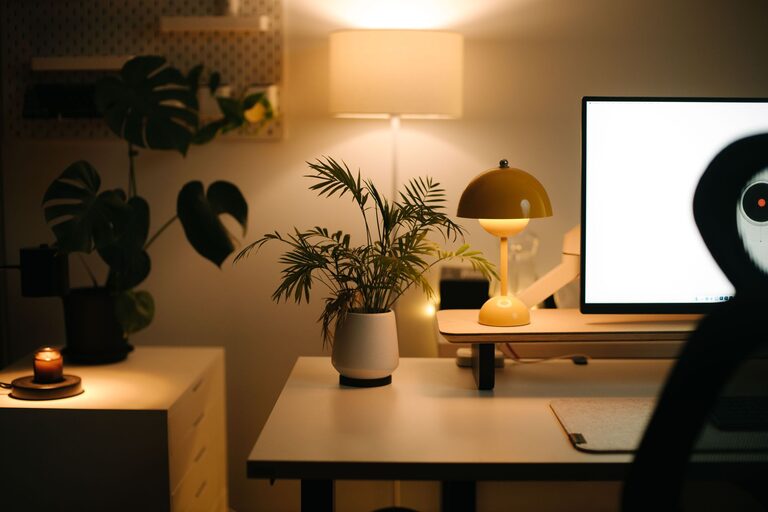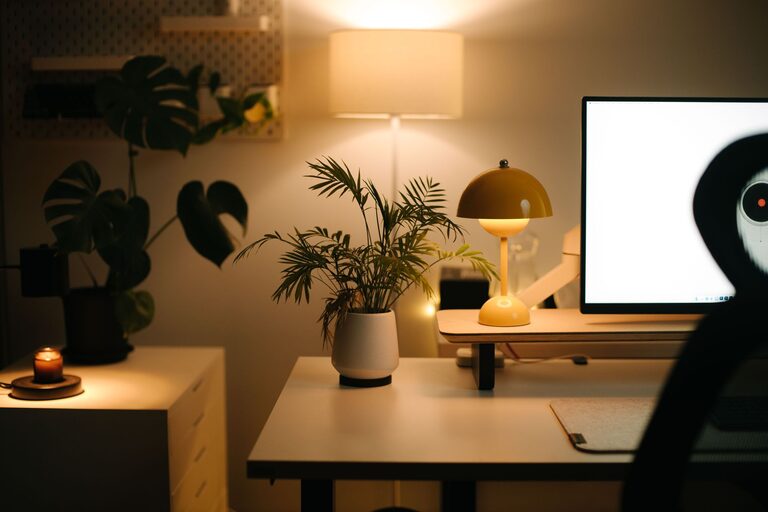
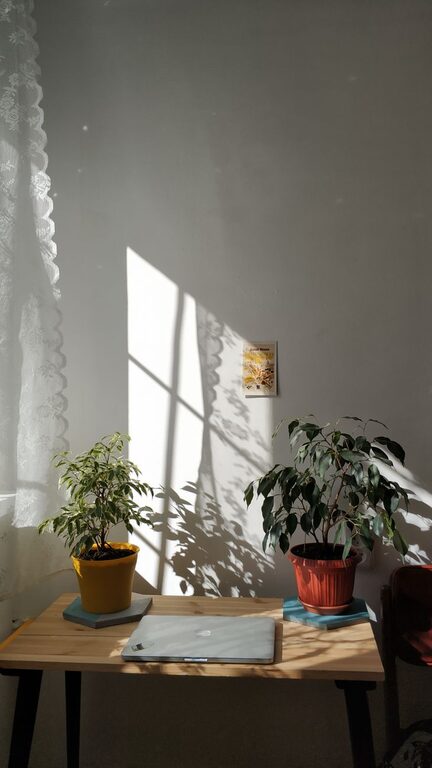
Creating a relaxing home office environment is essential for maintaining focus, reducing stress, and boosting productivity. Whether you’re working remotely full-time or just need a dedicated space for occasional tasks, your home office should feel inviting and comfortable. Below, you’ll find practical tips to help you design a workspace that promotes calm and encourages your best work.
1. Choose the Right Location
Find a Quiet Spot
Select a part of your home where you can minimize distractions. If possible, avoid high-traffic areas like the kitchen or living room. A quiet corner or a spare room can serve as an ideal workspace.
Natural Light Matters
Position your desk near a window to take advantage of natural light. Sunlight helps improve mood and energy levels. If natural light is limited, consider soft, warm artificial lighting instead of harsh fluorescents.
2. Invest in Comfortable Furniture
Ergonomic Chair and Desk
Comfortable seating is key for long hours at your desk. Invest in a chair that provides proper back support and encourages good posture. Adjust your desk height so your arms and wrists rest comfortably while typing.
Keep It Organized
Choose furniture with storage options to keep your space tidy. Clutter can be stressful and distracting, so having places to store papers, cables, and supplies will help maintain a calming environment.
3. Incorporate Soothing Colors and Decor
Color Choices
Colors affect mood and focus. Soft blues, greens, and neutrals tend to create calming atmospheres. Avoid overly bright or distracting colors that might increase anxiety or reduce concentration.
Personal Touches
Add a few personal items like photos, plants, or artwork that make you feel happy and relaxed. Plants, in particular, improve air quality and add a touch of nature that can soothe your mind.
4. Control Lighting and Noise
Adjustable Lighting
Use adjustable lamps to customize your lighting based on the time of day and task. For example, bright task lighting for reading and softer light for calming breaks.
Manage Noise Levels
If outside noise is a concern, consider noise-canceling headphones or white noise machines. Soft background music or nature sounds can also create a tranquil atmosphere without being distracting.
5. Organize Your Workspace Efficiently
Declutter Daily
Spend a few minutes each day tidying your desk. Keeping only essential items within reach helps minimize distractions and keeps your mind clear.
Use Organizational Tools
Desk organizers, cable management systems, and drawer dividers keep supplies orderly. Labeling storage containers can save time and reduce frustration when searching for items.
6. Maintain Good Air Quality
Ventilation
Fresh air can improve concentration and prevent fatigue. Open windows when possible or use an air purifier to keep your workspace fresh and clean.
Add Air-Purifying Plants
Plants like spider plants, snake plants, and peace lilies not only beautify your office but also help filter the air naturally.
7. Establish Boundaries and Routines
Separate Work and Relaxation
Creating a physical boundary between work and personal life helps your mind switch modes. Try to avoid working in bed or on the couch.
Set Work Hours
Maintain a regular schedule to keep your work time distinct from relaxation time. This helps prevent burnout and creates balance.
8. Take Breaks and Move
Stretch and Walk
Standing up, stretching, or walking around periodically refreshes your body and mind. Short breaks improve focus and prevent discomfort from sitting too long.
Create a Break Zone
If space allows, set up a small area away from your desk for quick mental breaks, like a cozy chair or a spot by the window.
—
Final Thoughts
Designing a relaxing home office doesn’t have to be complicated or expensive. Small changes in lighting, furniture, decor, and organization can significantly improve your comfort and productivity. By prioritizing your well-being, you can create a workspace that feels calm, inviting, and energizing — making your workday more enjoyable and effective.